
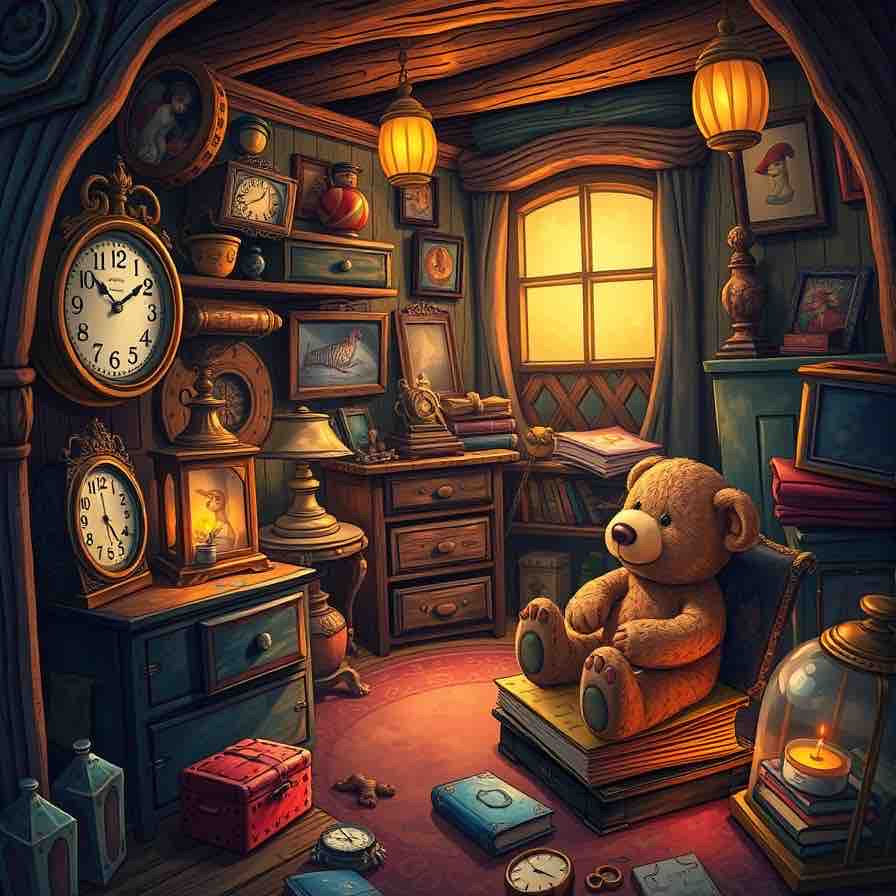
Lost & Found: A Narrative Writing Adventure Through the Eyes of an Object by Laura Swilley
- Laura Swilley
- Mar 21, 2025
- 2 min read

As teachers, we’re always on the lookout for ways to spark creativity, build empathy, and engage students in meaningful writing experiences. One of my favorite ways to do that is with a narrative writing lesson I call “Lost & Found: The Secret Life of Objects.” Designed for 6th and 7th grade ELA students, this activity invites learners to step into the shoes—or rather, the soul—of a lost object and tell its story.
Why an Object?
Objects are quiet witnesses to our lives. They hold memories, secrets, and connections to people and places. Asking students to imagine the emotional world of a forgotten glove or a cracked keychain gives them an opportunity to explore perspective, voice, and creativity in a totally unexpected way. It’s writing from a different point of view—but with heart.
How the Lesson Works
On the first day, students blindly choose an object from a “Lost & Found” box filled with random items: a broken watch, a baby shoe, a dusty photo, even a key with no lock. Then they brainstorm:
• Who lost me?
• Where have I been?
• What do I remember?
• How do I feel?
That night, they write a short journal entry from the object’s point of view.
Over the next few days, they expand that entry into a fully developed narrative. We explore story structure (beginning, conflict, climax, resolution), figurative language, internal monologue, and sensory detail. I encourage them to really feel like their object and imagine the life it has lived.
The Results? Pure Magic.
I’ve read stories about a stuffed bunny lost in an airport, a necklace that witnessed a secret proposal, and a tennis shoe stuck in the rafters of a school gym for three years. The depth and emotional awareness students tap into—often without realizing it—is remarkable.
By the end of the unit, students not only become stronger writers but more empathetic thinkers. They begin to see the world as layered with stories just waiting to be told—even in the most ordinary of things.
Want to Try It?
I’ve put together a downloadable version of the full lesson plan and a student-friendly rubric to get you started. Feel free to modify it for your classroom or adapt it for distance learning, creative clubs, or homeschool.
⸻
Whether you’re looking to mix things up mid-year or launch a writing unit with impact, this lesson offers something truly unique. After all, sometimes the best stories come from the objects we leave behind.
Have you ever tried a lesson like this? I’d love to hear how it went or see examples of your students’ creative object stories!


Comments